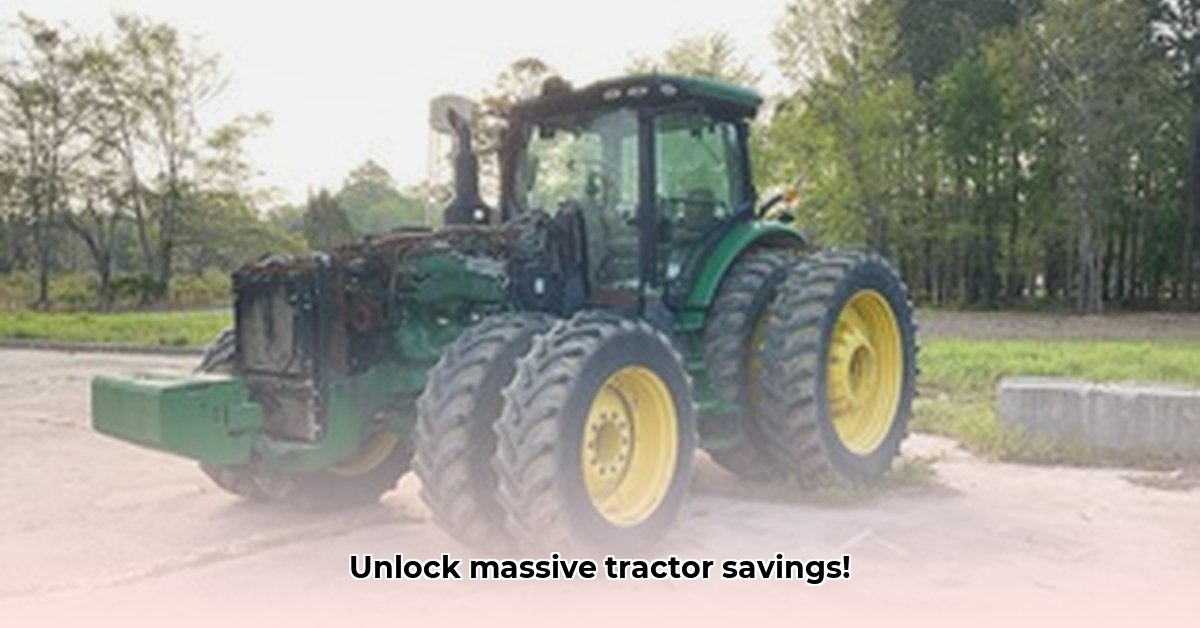
Section 1: Introduction – The Allure and Challenges of Used Tractors
The rumble of a powerful engine, the scent of freshly tilled earth – the allure of owning a tractor is undeniable. But the hefty price tag of new equipment often deters many aspiring farmers and established operations alike. Enter the world of tractor salvage auctions: a potentially lucrative landscape of cost savings, but one that demands careful navigation. While the prospect of acquiring a reliable workhorse at a fraction of the retail price is enticing, pitfalls lurk beneath the surface – from hidden mechanical issues to unforeseen repair costs and environmental concerns. For Oklahoma auctions, check out this helpful resource: Oklahoma Tractor Auctions. This guide empowers you to confidently navigate this complex terrain, securing a sustainable and cost-effective solution for your farming needs.
Section 2: Pre-Auction Preparation: Laying the Foundation for Success
Before diving headfirst into the auction fray, thorough preparation is paramount. Failing to plan is planning to fail, and in the world of used tractor auctions, unpreparedness can be costly.
Researching Auctions: Finding Reputable Sources
Begin your search online; reputable platforms like SalvageSale offer a starting point. However, critically assess listings: Detailed descriptions and abundant high-quality photos are essential. Vague details are a major red flag. Remember, transparency is key in a legitimate auction. Don't hesitate to contact the auction house directly to get answers to your questions.
Budgeting: A Realistic Financial Blueprint
Budgeting goes beyond simply considering the purchase price. Transportation costs, potential repairs (even seemingly minor issues can escalate rapidly), and ongoing maintenance (fuel, oil changes, etc.) all need to be factored into your overall financial plan. A comprehensive budget ensures that you can confidently manage any unanticipated expenses. How much can you realistically afford to spend, considering all factors?
Mechanical Expertise: The Importance of Professional Assessment
Don't rely solely on your own assessment. Before placing a single bid, consult a qualified mechanic for a pre-purchase inspection. This is possibly the most important step in avoiding costly mistakes. A mechanic's expert eye can identify hidden problems, saving you potentially thousands in future repairs. This is an investment that pays for itself many times over.
Legal Considerations: Protecting Your Interests
Familiarize yourself with the auction's terms and conditions, including warranties (if any), liability issues, and your responsibilities as a buyer. This is a non-negotiable step to ensure a legally sound transaction and protect your investment. Is this level of due diligence worth the cost of a potential legal battle?
Section 3: Auction Day Tactics: Strategic Bidding and Thorough Inspection
The auction itself demands both excitement and strategic thinking. Don't let the thrill of the moment cloud your judgment.
Inspection Procedures: A Step-by-Step Guide
Thoroughly inspect any potential purchase before bidding. Examine the engine (checking for leaks, unusual noises, and overall condition), tires (checking for wear and tear and proper inflation), hydraulics (checking for leaks and responsiveness), and transmission (checking for smooth shifting). The more thorough your inspection, the more informed your bidding strategy can be. Remember, a small problem today can balloon into a significant expense much later.
Bidding Strategies: Avoiding Impulsive Spending
Set a firm maximum bid before you begin, and resolutely adhere to it. Auctions can be incredibly exciting, but emotional bidding can quickly lead to overspending and buyer's remorse. Consider incremental bidding strategies to avoid unnecessary increases.
Section 4: Post-Auction Steps: From Auction Block to Operational Readiness
Winning the bid is just the beginning. The post-auction process is equally critical.
Transportation: Safe and Efficient Delivery
Secure a reliable and cost-effective transportation method. The size and weight of the tractor will impact your choices, and improper transport could cause damage. Shop around for quotes to get the best deal.
Initial Maintenance: Preparing for Operational Use
After delivery, perform essential maintenance tasks. This includes changing fluids (oil, coolant, etc.), inspecting belts, and fixing any identified issues. Minor issues left unresolved can escalate into major problems and costly repairs.
Integration (if applicable): Ensuring Compatibility
If integrating the tractor into existing farming operations, ensure seamless compatibility with other equipment. Incompatibility could lead to both downtime and frustrating performance issues.
Environmental Considerations: Sustainable Practices
Prioritize fuel efficiency to minimize environmental impact. Consider the tractor's fuel consumption, and plan for responsible end-of-life management. Sustainable farming practices and equipment choices go hand-in-hand.
Section 5: Conclusion – Making Sustainable Choices
Buying a used tractor from a salvage auction can be a significantly cost-effective and environmentally friendly way to equip your operation. However, success hinges on meticulous planning and execution. By following these steps, you can confidently navigate the process, securing a reliable and sustainable addition to your farm for years to come. Remember, responsible stewardship of both resources and equipment is vital for long-term success in farming.